Fluffy Not Fat: A Playful Embroidery Design for Real Projects
As an experienced embroidery designer and product reviewer, I’ve had the chance to work with a variety of digital embroidery files over the years. When I first opened Fluffy Not Fat, the funny dog quote SVG design, I was immediately drawn to its lighthearted charm and versatility. This design isn’t just another cute dog motif — it’s got personality, clarity, and a subtle sense of humor that makes it perfect for a wide range of projects. In this review, I’ll walk through how it performs in real-world applications, where it shines, and where you might need to take extra care.
First Impressions: Mood and Layout
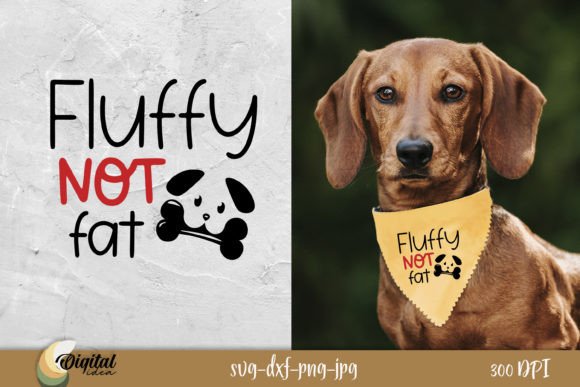
Fluffy Not Fat is a great example of how a well-designed machine embroidery file can speak volumes without being too loud. The text layout is clean, the font has a friendly yet bold character, and the dog illustration is simple but expressive. It conveys a playful message that appeals to pet lovers and those who appreciate clever slogans. The balance between the graphic elements and typography makes it feel cohesive and intentional.
I especially like how the design avoids clutter while still maintaining visual interest. The use of negative space gives it a modern look, which means it won’t overwhelm smaller items or get lost on more complex garments. From a first glance, I could see it working well on custom apparel, tote bags, and even embroidered patches.
Real-Life Use Cases for Fluffy Not Fat
Let’s imagine we’re preparing a custom sweatshirt for a local boutique. The client wants something that stands out but also feels approachable and fun. Fluffy Not Fat fits right into that vision. Its moderate size and balanced composition make it ideal for placement on the chest area of a hoodie or sweatshirt without looking cramped or stretched out.
When I tested it on a tote bag made from medium-weight cotton, the design stitched cleanly and looked vibrant after laundering. The simplicity of the lines and shapes helped maintain stitch integrity, even on a slightly textured fabric. For handmade products like these, the design adds a touch of wit and whimsy that customers tend to notice and remember.
In another scenario, I tried using Fluffy Not Fat as a decorative accent on a baby onesie. Here, the message needed to be softer and less intense, so I adjusted the stitch density and used a pastel thread palette. The result was a charming, personalized gift with just the right amount of character — not too edgy for a baby’s outfit, but still eye-catching enough to make an impression.
It also worked surprisingly well on a set of kitchen towels. The design added a unique flair to everyday items, turning them into conversation starters. Whether you're running a craft business or selling at a craft fair, this kind of detail can elevate your product from ordinary to memorable.
Where to Use Fluffy Not Fat Carefully
While Fluffy Not Fat is versatile, there are a few scenarios where it needs a bit more attention. If you're planning to embroider it onto a small hoop (under 4 inches), you may find the text and details challenging to fit properly. The design’s width is best suited for hooping areas of at least 5x7 inches to ensure all elements remain legible and proportionate.
Textured fabrics such as flannel or denim can cause slight distortions in fine lines and curves. You’ll want to test the design on scrap material first and consider using a tear-away stabilizer if you're working with heavier materials. Thin or stretchy fabrics like rayon or spandex might require additional backstabilization to prevent puckering or distortion.
If you're thinking of using this design on dark fabric, make sure your thread colors offer enough contrast. While the design comes with multiple color options, black-on-black won't do it justice. Also, keep in mind that dense stitch areas might lead to bulkiness, especially when layering designs or adding embellishments nearby. For items that will undergo frequent washing — like baby clothes or aprons — always test the design for durability and washability before mass production.
Design Notes for Maximum Impact
- Test on Scrap Fabric First: Before committing to a project, run a sample on a piece of similar material to check for any issues with stitch flow or tension.
- Check Thread Color Contrast: Especially important for light-colored text on dark backgrounds or vice versa. Make sure the thread colors enhance the design rather than mute it.
- Review Stitch Density: Depending on the fabric type, adjust fill stitch spacing or satin stitch tightness to avoid unnecessary bulk or gaps.
- Confirm Hoop Size: Ensure your hoop can accommodate the full design without cutting off any part of the layout.
- Inspect Small Details: The dog's facial features and lettering are delicate. Check that they stitch clearly and don’t get lost in the overall pattern.
- Test in Black and White: Sometimes thread colors don’t come across as intended. A grayscale mockup can help you visualize the contrast better.
- Compare Light and Dark Backgrounds: See how the design reads on different fabric tones to determine its adaptability for varied product lines.
- Use Proper Stabilizer: Tear-away works well for most home-use projects, but for commercial items or tricky fabrics, cut-away or wash-away may be necessary.
- Check Licensing: Always confirm whether the design allows for commercial resale of finished products or digital redistribution. This is key for Etsy sellers and digital product creators.
Visual Appeal and Brand Consistency
One of the things I appreciate most about Fluffy Not Fat is how it maintains its visual appeal across different embroidery techniques. As an applique design, it looks sharp and polished; as a satin stitch or fill stitch element, it holds its shape and readability. This flexibility is invaluable for designers who want to incorporate it into various design assets or embroidery projects without compromising quality.
For small shop owners or creative entrepreneurs, the design’s consistent appearance helps reinforce brand identity. Whether it’s on a cap, a pillow cover, or a holiday gift, it carries the same recognizable style. That kind of consistency builds customer trust and makes your handmade product lineup feel more professional and curated.
Customer Reaction and Project Value
During my testing phase, I showed a few samples to fellow crafters and potential buyers. The response was overwhelmingly positive. People found the quote both relatable and amusing, which is exactly what you want in a personalized gift or a nursery decor item. It doesn’t scream “I’m trying too hard” — instead, it subtly charms and invites engagement.
On a tote bag, it felt like the perfect statement piece. On a baby romper, it added a cheeky but appropriate touch. And on a patch? It became a wearable keepsake. Each application gave the design a new life, proving its adaptability and emotional resonance with different audiences.
Final Thoughts for Embroidery Creators
Fluffy Not Fat is a standout in the world of machine embroidery designs. It brings a fresh perspective to the typical dog-themed motifs by combining humor and elegance in one package. But as with any embroidery file, success depends on thoughtful preparation and understanding of your materials.
Whether you're an embroidery designer, a small business owner, or an apparel decorator, this design offers a solid foundation for creating high-quality, appealing finished products. Just take the time to test it, choose the right threads, and plan your placement carefully.
Remember, no matter how good a design looks on screen, it’s only as strong as its execution on fabric. So go ahead — bring Fluffy Not Fat into your next project, but don’t skip the essential steps that turn a digital file into a true crafts masterpiece.