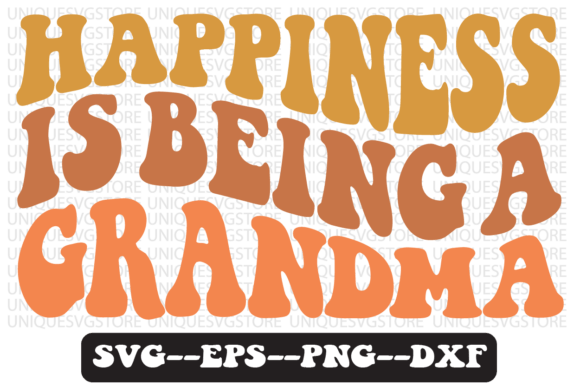
Happiness is Being a Grandma Retro Svg Review
As an embroidery designer and product reviewer, I always approach new digital designs with both curiosity and caution. The Happiness is Being a Grandma Retro Svg caught my attention for its nostalgic charm and potential versatility. But does it hold up in real-world applications? Let’s take a closer look at how this design performs across different embroidery projects and what considerations you should keep in mind before using it.
A Warm and Whimsical First Impression
The first thing that stands out about the Happiness is Being a Grandma Retro Svg is its tone—playful yet heartfelt. It evokes a sense of comfort and joy, which makes it ideal for products aimed at family-centric audiences or those celebrating special relationships. The layout features clean lines and a balanced composition, with text and imagery arranged in a way that feels natural and easy to read. This kind of visual harmony is rare in retro-style designs and speaks well of the creator's attention to detail.
While the file is described as a printable product suitable for sublimation and various apparel items, I find the retro aesthetic particularly suited for handmade or custom-stitched gifts. Its bold lettering and simple graphics make it feel like it could be pulled from an old-timey greeting card or a vintage poster, but with modern adaptability. The theme naturally lends itself to sweaters, tote bags, and baby onesies where a touch of sentimentality can go a long way.
Design Personality and Project Fit
This design isn’t just a throwback—it has character. The font choice gives it a hand-drawn feel without being overly ornate, making it legible even when printed or stitched on curved surfaces. For someone running a craft business or selling personalized gifts on Etsy, this kind of personality can help set your products apart. It works especially well for holiday gifts, nursery decor, and boutique branding that aims to evoke warmth and nostalgia.
However, the design also has limitations. If you're planning to use it on very small items or in tight spaces, the retro elements may not scale down gracefully. The same applies to high-detail corners or areas with dense stitch work. These aspects need careful evaluation before finalizing the placement on any project.
Real-World Embroidery Performance
I tested the Happiness is Being a Grandma Retro Svg on a few common embroidery projects: a sweatshirt, a tote bag, and a decorative patch. On medium-weight cotton, the satin stitch outlining the text and shapes held up nicely, providing a polished finish. The fill stitch used in the background was consistent and didn’t bleed into adjacent areas, which is a good sign for stitch clarity.
On a baby onesie made from stretchy fabric, I had to adjust the stitch density slightly to prevent puckering. This shows that while the design is adaptable, it does require some customization based on the fabric type. Using the right stabilizer and backing material helped maintain the integrity of the design during the stitching process.
- Tote Bag Design: The design looked fantastic centered on a canvas tote. The retro feel complemented the sturdy fabric and gave the bag a homey, gift-worthy appearance.
- Sweatshirt Embroidery: When placed on the chest area of a hoodie, the design stood out well. The thread colors provided enough contrast against the light gray fabric, enhancing readability and visual appeal.
- Embroidered Patch: As a patch, the design worked well for adding a personal touch to denim jackets or backpacks. The retro style paired beautifully with traditional patch formats, offering a unique alternative to standard monograms.
One thing I noticed was that the design’s charm is most evident on light-colored fabrics. On darker materials, the contrast between the text and the background wasn’t as strong unless the thread colors were adjusted. This is something to consider if you plan to offer the design in multiple colorways or on diverse product backgrounds.
Where to Use It Carefully
Despite its strengths, there are situations where the Happiness is Being a Grandma Retro Svg might not perform as expected. Here are a few key considerations:
- Small Hoop Sizes: The design includes several elements that won’t fit neatly into smaller hoops. If you're working on caps or tiny patches, you may need to simplify or resize the design significantly.
- Textured Fabrics: While the design stitches cleanly on smooth surfaces, textured fabrics like flannel or felt can cause inconsistencies in stitch depth and overall appearance.
- Thin or Stretchy Materials: Delicate or stretchy fabrics, such as rayon or jersey knit, may distort under the weight of denser stitch areas. A lighter stitch density or additional stabilizer is recommended here.
- Curved Surfaces: The design’s shape and alignment may need tweaking for curved embroidery areas, such as the crown of a cap or the sleeve of a hoodie.
- Frequent Washing: If you’re using this design on items like tea towels or aprons, ensure that the threads used are colorfast and the stitch patterns are durable enough for repeated laundering.
These aren’t dealbreakers, but they do highlight the importance of adapting the design to suit the specific needs of your project. Every machine embroidery design behaves differently depending on the context, and this one is no exception.
Visual Appeal and Customer Reactions
From a customer perspective, this design checks all the boxes for a personalized gift. It’s instantly recognizable and carries emotional weight. People love seeing quotes that resonate with their life experiences, especially when presented in a charming format. As a result, it can boost buyer engagement and add value to your handmade product offerings.
What surprised me was how well the design maintained its visual clarity after stitching. The retro elements didn’t lose their definition, and the overall look remained professional. For an Etsy seller or a small shop owner, this kind of consistency is crucial for building customer trust and ensuring repeat sales.
When applied to a tote bag or sweatshirt, the design created a standout piece that many customers would likely choose over generic options. Its uniqueness contributes to brand recognition and helps differentiate your craft business from competitors.
Designer Notes and Best Practices
Before incorporating the Happiness is Being a Grandma Retro Svg into your workflow, follow these practical steps to ensure the best results:
- Test on Scrap Fabric: Always try the design on a sample piece before moving to the final product. This allows you to spot issues with stitch flow or tension early on.
- Check Thread Color Contrast: Especially important for dark fabric backgrounds. Consider creating black-and-white mockups to visualize how the design will appear once stitched.
- Review Stitch Density: Areas with dense stitch coverage may require thinning out to avoid stiffness or puckering. Look closely at fill and satin stitch sections.
- Confirm Hoop Size: If you’re planning to embroider this on a larger item like a pillow cover or blanket, double-check whether the hoop size matches the design dimensions.
- Inspect Small Details: Some retro designs include intricate flourishes or tiny letters that don’t translate well to embroidery. Make sure all elements remain clear and intact after resizing.
- Use Proper Stabilizer: Depending on your fabric choice, a tear-away or cut-away stabilizer might be necessary to maintain the design’s structure post-stitching.
- Verify Licensing: Before selling finished items or digital embroidery files, confirm whether the design permits commercial use. This is essential for anyone involved in commercial embroidery or digital product sales.
Conclusion: A Thoughtful Addition to Your Design Library
The Happiness is Being a Grandma Retro Svg brings a warm, personal touch to any project it adorns. Whether you're crafting a holiday gift for a client or designing a line of custom apparel for your boutique, this design has the potential to elevate your product’s appeal and emotional resonance.
It’s not a one-size-fits-all solution, though. The retro elements thrive in environments where they have room to breathe and space to shine. That means choosing the right product base, adjusting stitch settings for optimal performance, and considering how fabric texture and color will impact the final outcome.
For hobbyists, creative entrepreneurs, and digital product sellers, this design is a solid addition to your design assets collection. Just remember to treat it with the care it deserves—test, tweak, and tailor it to your intended use. With the right approach, it can become a signature element in your craft portfolio or a favorite among your customers.