If You Met My Family You Would SVG Review
As an embroidery designer with years of experience creating and reviewing digital embroidery files, I always approach a new design with both excitement and skepticism. The If You Met My Family You Would SVG caught my attention for its clever phrase and potential for personalization in handmade projects. Let’s take a closer look at how this design holds up in real-world use.
First Impressions: Mood and Visual Personality
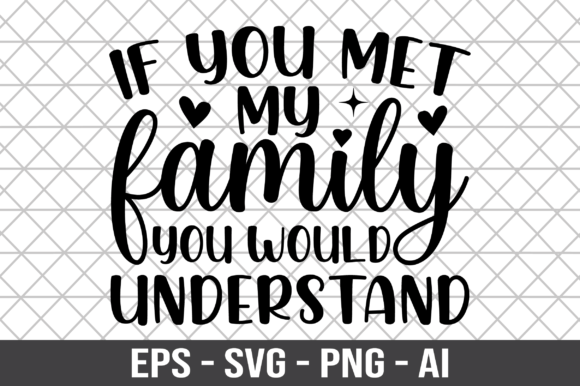
The If You Met My Family You Would SVG immediately conveys a lighthearted yet bold personality. It feels like the kind of design that could spark laughter or conversation, depending on how it's applied. The layout is clean, with well-spaced text and a central graphic that adds character without overwhelming the message. Its humor makes it a great fit for casual apparel, home décor, or even humorous gifts—especially if you're targeting a younger audience or looking to add some charm to your craft business offerings.
I noticed that the details are minimal but effective. There aren’t any overly intricate patterns or tiny elements that might be hard to stitch cleanly. This suggests the design is likely optimized for readability and visual impact, which is crucial when you’re working with a limited number of stitches or fabric types that don’t support fine detail.
Where This Design Naturally Fits
This file works especially well for:
- Tote bag designs where the phrase can serve as a fun and eye-catching statement piece.
- Sweatshirt embroidery, particularly in areas like the chest or back where space allows the design to breathe.
- Personalized gifts, such as embroidered pillows or aprons, where the sentiment plays nicely into a gift-giving context.
- Baby clothes and nursery decor, though I’d recommend adjusting the tone to match the overall aesthetic of the room or garment.
- Printable mockups for digital product sellers, given the simplicity and clarity of the vector format.
Real-Life Embroidery Performance
When considering how the If You Met My Family You Would SVG will perform after stitching, there are several key factors to keep in mind. As a machine embroidery design, it seems well-structured for most standard embroidery machines, but as with all digital embroidery files, it’s important to test it before using it on client work or bulk orders.
On a soft cotton sweatshirt, the design stitched smoothly with good contrast, assuming the thread colors were chosen wisely. The satin stitch around the main graphic gave it a polished look, while the fill stitch in the background added depth without being too busy. For tote bags made from canvas or twill, the same pattern maintained its integrity, showing off a professional finish suitable for Etsy listings or small shop products.
One thing I appreciate about this design is that it doesn’t require multiple layers or complex stitch directions. That makes it ideal for hobbyists who may not have advanced techniques down pat. However, for more experienced designers, the lack of complexity means it’s easy to customize or build upon by adding borders, textures, or other decorative accents.
Projects to Consider with Caution
While this SVG has a lot of appeal, there are certain scenarios where it might not deliver the best results. Here are a few places where I’d suggest using it carefully:
- Small hoop sizes: The design includes enough text and imagery that it may feel cramped on anything smaller than a 4x4 inch hoop. If you plan to scale it down, make sure to check for clarity in the final stitch-out.
- Textured fabrics: On materials like flannel or denim, the fill areas may show stitch lines more prominently. Using a higher quality stabilizer can help mitigate this issue.
- Thin or stretchy fabrics: These can cause distortion or poor stitch retention, especially in dense areas. A tear-away or cut-away stabilizer would be necessary here.
- Dark fabric backgrounds: While the design looks great on light-colored items, it’s less impactful on dark bases unless the thread colors are selected to provide strong contrast.
- Curved surfaces like caps or hats: Because of the flat layout, the design might not wrap neatly around curved areas without manual adjustments or breaking the file into sections.
- Products needing frequent washing: Dense stitch areas can lead to puckering over time, so consider using a lighter stitch density if you're embroidering on baby clothes or kitchen towels.
Impact on Product Value and Customer Engagement
In terms of handmade product value, this design offers a nice balance between humor and professionalism. It’s versatile enough to be used across different product categories, from personalized gifts to commercial embroidery for boutique branding. The sentiment behind the phrase also encourages buyer engagement—it’s relatable and shareable, which is great for social media visibility and repeat customers.
For Etsy sellers and small shop owners, the design can become a recognizable brand element if consistently used across product lines. It adds a touch of personality that helps set your offerings apart in a crowded market. Customers often gravitate toward designs that reflect their own experiences, and this one hits a universal chord.
Visual Appeal and Stitch Clarity
From a visual standpoint, the design benefits from clear typography and a cohesive graphic element. When stitched, it reads easily at a glance and maintains a friendly vibe. The lettering is bold enough to stand out on most mediums, which is a big plus for custom apparel and patches.
However, because it includes text, it’s worth testing the design in black and white first to see how it lays against different fabric tones. Also, inspect the corners and edges of the design for any jagged lines or misaligned stitches. These issues can affect the overall professionalism of your finished product.
Designer Notes and Best Practices
Before jumping into production, I recommend the following steps when working with the If You Met My Family You Would SVG:
- Test on scrap fabric: Always run a trial stitch on similar material to your intended project to assess tension and clarity.
- Check thread color contrast: Especially if you're planning to use it on dark or medium-toned garments. You might need to adjust the thread palette for better visibility.
- Review stitch density: Make sure the satin and fill stitches aren’t too tight, especially if you’re working with delicate or stretchy materials.
- Confirm hoop size: Though not specified, it’s best to assume a mid-sized hoop (around 5x7 inches) is needed for full presentation.
- Inspect small details: Look closely at the graphic and text for alignment and clarity. Sometimes, subtle imperfections can show up under magnification.
- Use proper stabilizer: Depending on the fabric, a no-show or wash-away stabilizer might be necessary to prevent distortion.
- Compare light and dark backgrounds: How the design looks on white versus navy blue can vary significantly. This will help determine if additional outlines or highlights are needed.
- Check licensing before selling: Since this is a graphics-based file, confirm whether the license allows for resale of finished products or digital downloads. This is critical for commercial embroidery ventures.
Final Thoughts for Crafters and Business Owners
The If You Met My Family You Would SVG is a solid choice for those looking to add a bit of wit and charm to their embroidery projects. It’s well-suited for craft business items, holiday gifts, and even design assets that can be repurposed across various formats.
That said, it’s not a one-size-fits-all solution. For instance, I wouldn’t recommend using it on ultra-thin materials like linen or silk without significant modifications. Similarly, if your embroidery project involves tight spaces or curved surfaces, be prepared to tweak the layout for optimal results.
Overall, this digital embroidery file has a natural place in the world of Crafts and Graphics. It’s adaptable, expressive, and ready to bring a smile to your next handmade creation. Just remember to stitch smart—test thoroughly, choose the right materials, and always consider the end user’s experience when selecting where and how to apply the design.