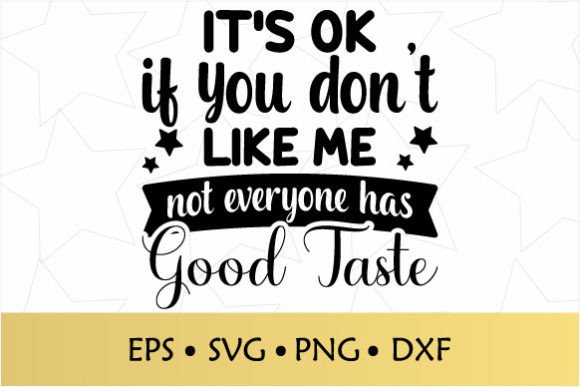
It’s Ok If You Don’t Like Me
As an experienced embroidery designer and product reviewer, I often find myself evaluating how a design will translate from digital file to real-world application. When I first saw the “It’s Ok If You Don’t Like Me” machine embroidery design, it struck me as a bold yet playful statement piece that could work well in a variety of projects — especially when used thoughtfully.
A Mood That Matches Modern Expression
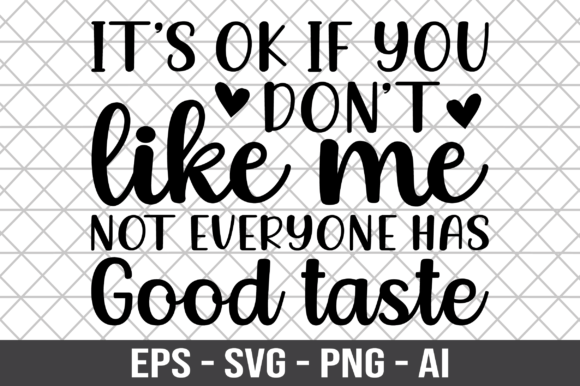
The phrase itself carries a sense of self-assurance and humor. It’s not just about being unapologetic; it’s about embracing individuality in a world where opinions are everywhere. The layout of the design is clean and modern, with a font style that leans toward casual but remains legible. It doesn’t scream for attention, but it does command a presence. This makes it ideal for custom apparel like sweatshirts or tote bags where you want something expressive without overwhelming the fabric or the viewer.
From a visual standpoint, the design has enough personality to stand out on a plain white t-shirt, but also enough subtlety to fit into more mature or minimalist handmade products. The spacing between letters and the overall shape feel balanced, which is important for readability after stitching.
Where It Shines in Real Projects
- Custom Apparel: Sweatshirts and hoodies are perfect for this design. The softness of the words contrasts nicely with the heft of the garment, making it both comforting and edgy.
- Tote Bags: As a tote bag design, it adds character and charm. Whether you're selling personalized gifts or creating small shop merchandise, this design can become a signature element.
- Embroidered Patches: The message feels at home as an embroidered patch. Think about adding it to denim jackets, backpacks, or even custom hats for a subtle, wearable statement.
- Baby Clothes: While the tone might seem too grown-up for some baby items, the design works surprisingly well as a cheeky nursery decor piece or on a whimsical onesie for older toddlers who understand the sentiment.
- Holiday Gifts: During the holidays, this design could be stitched onto aprons or pillow covers, offering a lighthearted twist on traditional gift items.
For Etsy sellers and creative entrepreneurs, the It’s Ok If You Don’t Like Me design offers a fresh angle that aligns with current trends in personal expression and DIY culture. Its versatility means it can slot into multiple niches within your craft business — from apparel to home décor — without feeling forced or out of place.
Practical Considerations for Stitching
While the design looks great on screen, its performance in real-life embroidery situations depends on several factors. Let’s break down what to watch for:
- Thread Color Contrast: Since the design relies on text for impact, choosing thread colors that contrast well with the fabric background is essential. On light fabrics, darker threads like black or navy will pop best. On dark backgrounds, consider using lighter shades such as cream or pastels.
- Stitch Density: The design uses a combination of satin and fill stitches. In areas with curves or fine lines, stitch density can affect the clarity of the message. Too loose and the text may look frayed; too tight and it could distort the fabric.
- Hoop Size: Though the exact hoop size isn’t provided, the length of the text suggests it may require a larger hoop than average. Be sure to check the dimensions before purchasing, especially if you plan to use it on items like sweaters or aprons where space matters.
- Fabric Texture: Smooth cotton blends or quilting cotton will give the best results. Textured fabrics like flannel or canvas may cause the design to lose definition or create a less polished finish.
- Thin or Stretchy Fabrics: Avoid using this design on delicate or stretchy materials unless you’re prepared to test and adjust stitch settings accordingly. Thin fabrics may struggle to hold up under dense embroidery.
Another thing to note is the absence of intricate patterns or decorative accents. This makes the design easier to adapt to different formats and sizes, which is a plus for those looking to offer it across various product types.
Design Notes for the Detail-Oriented Creator
If you're planning to incorporate It’s Ok If You Don’t Like Me into your next project, here are some practical tips to ensure the best outcome:
- Test First: Always stitch the design on scrap fabric before committing to a finished product. This helps you evaluate how the thread colors and stitch types interact with the material.
- Use Proper Stabilizer: A good stabilizer can make all the difference, especially if you're working with medium to heavy-weight fabrics. Try a cut-away or tear-away stabilizer depending on the base fabric.
- Check Lighting Conditions: View the design in natural light after stitching. Sometimes digital previews don’t capture how thread color fades or changes under different lighting.
- Inspect Corners and Curves: Look closely at any detailed areas like apostrophes or curved letters. These can sometimes get lost if stitch density isn’t adjusted properly.
- Mockup Test: Create a printable mockup to see how the design fits visually on your intended product. This is especially useful for digital product sellers or Etsy shops wanting to showcase the design accurately.
- Confirm Licensing: If you plan to sell finished items or digital embroidery files, always verify the licensing terms of the design. Many free graphics aren’t suitable for commercial use.
When to Use It Carefully
Though versatile, there are scenarios where this design might need extra attention:
- Small Hoop Sizes: The longer text may not scale well for tiny embroidery hoops. Consider shortening the phrase or using a smaller version for patches or caps.
- Dark Fabric Backgrounds: Unless the thread color is significantly lighter, the design may not show up clearly. A good tip is to test it on a similar fabric to see how it performs.
- Products That Require Frequent Washing: Dense embroidery can lead to pilling or distortion over time. For items like kitchen towels or baby clothes, opt for a slightly looser stitch pattern to preserve longevity.
- Curved Surfaces: When applying this design to curved surfaces like caps or sleeves, take time to adjust the design's placement and possibly add extra stabilizer to prevent puckering.
Visual Appeal and Customer Reaction
In my experience, designs that carry a strong emotional or conversational tone tend to resonate more with buyers. It’s Ok If You Don’t Like Me has that edge — it’s relatable, confident, and a bit tongue-in-cheek. That kind of personality can elevate a basic sweatshirt or tote bag into a memorable handmade product.
However, customer reactions can vary. While many will appreciate the humor and confidence behind the message, others might find it too informal for their taste. That’s why it’s crucial to match the design with the right audience — whether it’s for a boutique line, a holiday gift collection, or simply personal use.
Enhancing Brand Consistency and Professionalism
For small shop owners and crafters, consistency is key. If your brand leans toward modern minimalism or quirky, conversation-starting pieces, this design fits right in. Just be sure it aligns with your overall aesthetic and values.
On the other hand, if your products are more traditional or elegant, this design might clash unless paired carefully. It’s not a bad thing, but it’s worth considering how it contributes to the visual identity of your handmade products or small shop merchandise.
Using this design professionally requires attention to detail. Make sure the final result reflects the quality of your craft business. Poorly executed embroidery can hurt buyer engagement and erode customer trust, especially in a competitive market like Etsy or craft fairs.
Final Thoughts for Embroidery Designers and Makers
The “It’s Ok If You Don’t Like Me” design brings a unique voice to your embroidery projects. It’s not flashy, but it speaks volumes. As a professional, I’d recommend it for tote bags, sweatshirts, and patches — particularly when targeting customers who enjoy witty, modern expressions.
Remember to treat this as a real design asset, not just a quick download. Resize it appropriately, test on your preferred fabric, and always review the stitch count and layout. These steps help ensure your finished product maintains the integrity and charm the design promises.
Ultimately, this design belongs to the category of Crafts and Graphics that bridge the gap between personal creativity and commercial viability. Whether you're a hobbyist or a seasoned embroidery product seller, taking the time to assess how it functions in your workflow will make all the difference in your final output.