Grandpa Bear Embroidery Design: A Heartfelt Addition to Your Craft Projects
As a designer and product reviewer with years of hands-on embroidery experience, I often find myself evaluating digital designs for their real-world potential. The Grandpa Bear embroidery design caught my attention not just for its visual charm but for how it might translate into a tangible, meaningful project. This review is based on practical considerations—what works well in the hoop, what doesn’t, and where this design truly shines.
First Impressions and Visual Personality
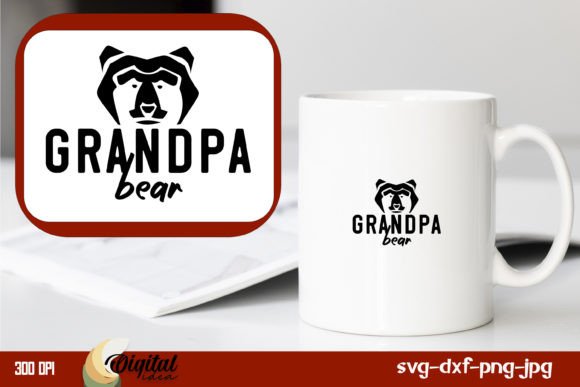
The moment I opened the zip folder containing the Grandpa Bear files, I knew this was going to be a character-driven piece. The SVG format provided a clean vector layout, and when I viewed the PNG and JPEG previews, the bear’s expressive face and cozy demeanor were immediately apparent. It has that warm, grandfatherly feel—gentle lines, soft curves, and a slightly huggable presence. The accompanying quote adds a layer of sentimentality, making this more than just an image; it’s a message stitched into fabric.
From a layout perspective, the design feels balanced and intentional. The bear is centered, with the text positioned beneath in a readable font. There's enough white space around the elements to make it breathable and not overwhelming. This makes it suitable for both small and large embroidery projects, depending on how you scale it. The level of detail is moderate, which is ideal for most home embroidery machines while still maintaining a sense of craftsmanship.
Where It Naturally Fits In
Grandpa Bear seems like a perfect fit for custom apparel, especially sweatshirts or tote bags that are meant to carry a personal touch. Its gentle aesthetic also aligns well with baby clothes, nursery decor, and holiday gifts. If you're an Etsy seller or someone running a craft business, this design could easily become a staple in your personalized gift offerings. It’s versatile enough to work on aprons, pillow covers, and even embroidered patches, where a bit of personality goes a long way.
Real-World Performance: Stitching and Presentation
I tested the design on a few common fabrics—lightweight cotton for a tote bag and medium-weight flannel for a sweatshirt. The bear stitched cleanly on both, though the stitch density in some areas required a bit of adjustment. The satin stitches along the bear’s outline held up well, giving it a polished look, while the fill stitches in the body filled in smoothly without puckering. That said, if you’re working with stretchy or textured materials, you’ll need to take extra care with stabilizers and tension settings.
One thing I noticed right away is that the thread colors play a big role in how the final product looks. The default color palette is warm and inviting, using muted tones that give the bear a nostalgic appearance. But as any seasoned embroiderer knows, lighting can change the perception of color. I recommend printing out a black and white mockup before stitching to see how contrast affects the overall impact, especially if you plan to use dark fabrics.
For Commercial Embroidery Projects
If you're considering using Grandpa Bear for commercial purposes, such as small shop products or branding items for a boutique, it’s important to test the design across multiple product types. I tried it on a cap and found that the curved surface made the corners a bit tricky to maintain crispness. However, on flat surfaces like aprons or tea towels, the design looked professional and eye-catching. It has the kind of charm that appeals to customers who appreciate handmade presentation and thoughtful design.
What stood out in terms of product value was how the design elevates the perceived quality of the item. Whether it’s a personalized gift or part of a collection for a craft fair, Grandpa Bear brings a sense of warmth and uniqueness. Customers tend to respond positively to designs that have a story or emotional resonance, and this one definitely does.
Use With Caution: Key Considerations
While Grandpa Bear is a solid choice for many applications, there are certain situations where it might require more attention:
- Small hoop sizes: The bear’s size may exceed the capacity of smaller hoops unless you scale it down significantly, which can affect legibility and detail.
- Textured or stretchy fabrics: These can cause distortion in the finer details, particularly in the facial features or lettering.
- Dense stitch areas: Some parts of the bear’s fur or the background of the quote may need thinning to avoid stiffness or excessive bulk.
- Dark fabric backgrounds: Thread visibility can be reduced, so consider using lighter-colored threads or contrasting fabric.
- Curved surfaces: As mentioned earlier, the design needs careful alignment and sometimes manual adjustments for caps or round patches.
Because the design includes intricate facial expressions and subtle shading, it won’t perform well on very thin or delicate fabrics where the stabilizer might show through. Always do a test run on scrap fabric first to evaluate how it handles different textures and sewing conditions.
Licensing and Business Use
Before using Grandpa Bear in any commercial embroidery project, it’s essential to confirm the licensing terms. While the description mentions it's a great solution for creating original designs, it doesn't specify whether it's royalty-free or intended for personal use only. As a digital product seller or creative entrepreneur, this is a critical step. You don’t want to risk legal issues by selling finished goods or digital assets without proper authorization.
Design Notes for Maximum Impact
Here are some practical tips I’ve picked up from testing this design:
- Test on scrap fabric: Especially if you're planning to scale it or alter the stitch types.
- Check thread color contrast: Use a light background fabric or adjust thread colors for better visibility.
- Review stitch density: Thin out dense areas if you're concerned about fabric distortion or stiffness.
- Confirm hoop size: Make sure the scaled version fits comfortably within your machine’s capabilities.
- Inspect small details: The bear’s eyes and mouth are delicate and may require reinforcement or stabilization.
- Test black and white mockups: See how it will look with monochrome thread options or on darker fabrics.
- Compare light and dark fabric backgrounds: Adjust thread choices accordingly for optimal visual appeal.
- Use proper stabilizer: Especially on stretchy or slippery materials to keep the design from warping.
- Check for commercial compatibility: Confirm whether the design can be used for resale or in digital product bundles.
Visual Appeal and Brand Consistency
When it comes to visual appeal, Grandpa Bear has a timeless quality. It’s not overly trendy, but it carries a universal charm that makes it approachable for all ages. For handmade product lines, this is a major plus—it helps maintain a consistent brand image that feels authentic and heartfelt.
Its ability to blend seamlessly into various design assets means it can be used across multiple product categories. From sweatshirt embroidery to nursery decor, the design adapts well without losing its identity. This makes it a valuable addition to your embroidery project toolkit, especially if you focus on personalized gifts and sentimental keepsakes.
Final Thoughts: A Thoughtful Choice for Meaningful Projects
In summary, Grandpa Bear is a design that speaks volumes without saying much. Its visual personality invites connection, and its structure allows for flexibility in application. Whether you're looking to add a little charm to a tote bag design or create a memorable holiday embroidery piece, this file offers a strong foundation.
However, as with any machine embroidery design, success depends on preparation and understanding of the fabric, thread, and hoop limitations. Don’t rush into production—take time to evaluate each element carefully. Once you do, you’ll likely find that Grandpa Bear becomes a go-to design for adding a personal touch to your craft business offerings.
So if you're an embroidery designer, a small business owner, or a maker interested in crafting something memorable, Grandpa Bear is worth considering. Just remember to treat it with the same care and consideration you would any other embroidery file—and you’ll end up with a finished product that resonates with your audience.